

Product · Bio fulvic acid
Bio Fulvic Acid
Soluble Bio fulvic acid (BFA)is in yellow brown powder,soluble in water.Usually used as irrigation and spray fertilizer.Directly Supply plants organic carbon and potassium and TE,improve the growth of plant foliage, roots, and fruits.
- HS Code
- 38249999.90
- Fulvic acid (dry, powder)
- ≥ 50.0%
- K₂O
- ≥ 10.0–12.0%
- pH (1:100)
- 4.0–6.0 / 5.0–6.0

Grades and documents
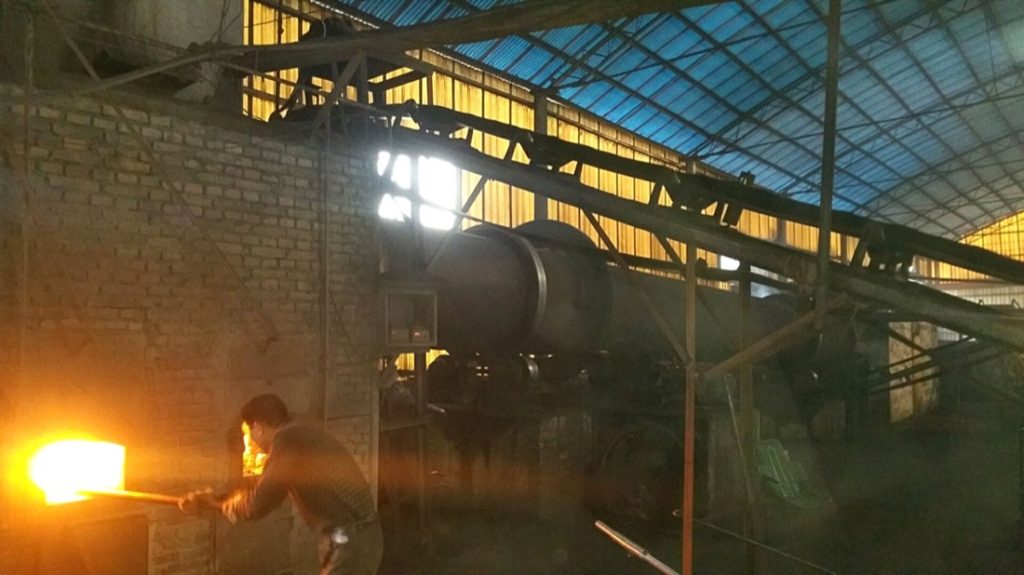
Two forms with a current technical data sheet: a brown powder (SH-BKF-01P) with fulvic acid ≥ 50.0% and K₂O ≥ 12.0% (dry basis), and a brown round granule (SH-BKF-01G) with organic matter ≥ 50.0% and K₂O ≥ 10.0%. According to the TDS, bio fulvic acid is produced by microbial fermentation of plant-derived feedstock and is not mined from leonardite.
Choose a grade
Bio fulvic acid grades
Powder 50%SH-BKF-01P
Fulvic acid ≥ 50.0% · K₂O ≥ 12.0% (dry basis) · water solubility 100% · pH 4.0–6.0
TDS on request →Round granuleSH-BKF-01G
Organic matter ≥ 50.0% · K₂O ≥ 10.0% · pH 5.0–6.0 · 1.5–2.5 mm
TDS on request →Bio Fulvic Acid Specification
| Parameter | SH-BKF-01P | SH-BKF-01G |
| Appearance | Brown powder | Brown round granule |
| Fulvic acid | ≥ 50.0% (dry basis) | To be confirmed |
| Organic matter | — | ≥ 50.0% |
| Potassium as K₂O | ≥ 12.0% (dry basis) | ≥ 10.0% |
| Water solubility | 100% | — |
| Moisture | ≤ 2.0% | To be confirmed |
| pH (1:100) | 4.0 – 6.0 | 5.0 – 6.0 |
| Granule size | — | 1.5 – 2.5 mm |
Values as in the current SAINT technical data sheets (SH-BKF-01P, SH-BKF-01G, v1.0); “To be confirmed” as stated in the TDS, “—” = not specified.
Bio Fulvic Acid Function
- Addition of organic matter to organically-deficient soils
- Increase root vitality
- Improved nutrient uptake
- Increased chlorophyll synthesis
- Better seed germination
- Increased fertilizer retention
- Stimulate beneficial microbial activity
- Healthier plants and improved yields
- Fulvic acid have electrically charged sites on their surfaces which function to attract and inactivate pesticides and other toxic substances. For this reason the Environmental Protection Agency in the USA recommends the use of humates for clean up of toxic waste sites. Many bioremediation companies apply humate based compounds to toxic waste sites as a part of their clean up program. Growers interested in cleaning up their soils (destroying various toxic pesticides) can accelerate the degradation of poisons (toxins) by applying humic substances.
- Tackling Disease.Harmful soil enzymes are stabilised and inactivated by humic substances. Once stabilised and bound to the humic substances enzyme activity is greatly reduced or ceases to function.
- These enzyme stabilisation processes help to restrict the activity of potential plant pathogens. As the potential plant pathogen releases enzymes designed to break down the plants defenses, the pathogens enzymes become bound to humic substances. As a result the pathogens are unable to invade potential host plants.
Package
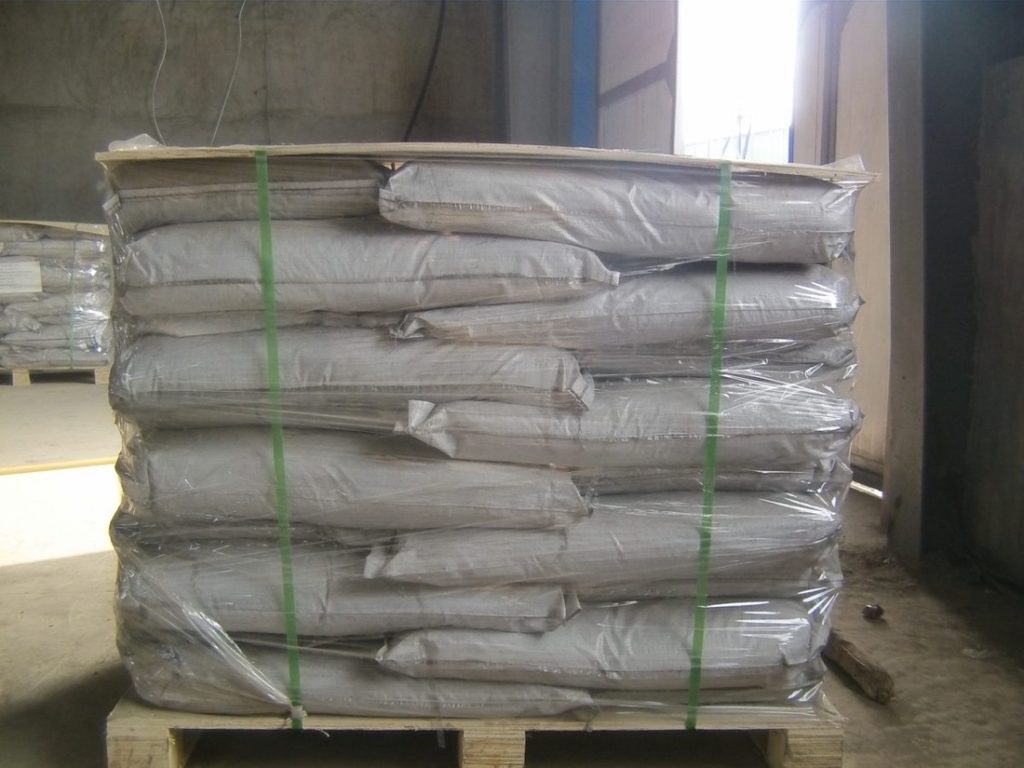
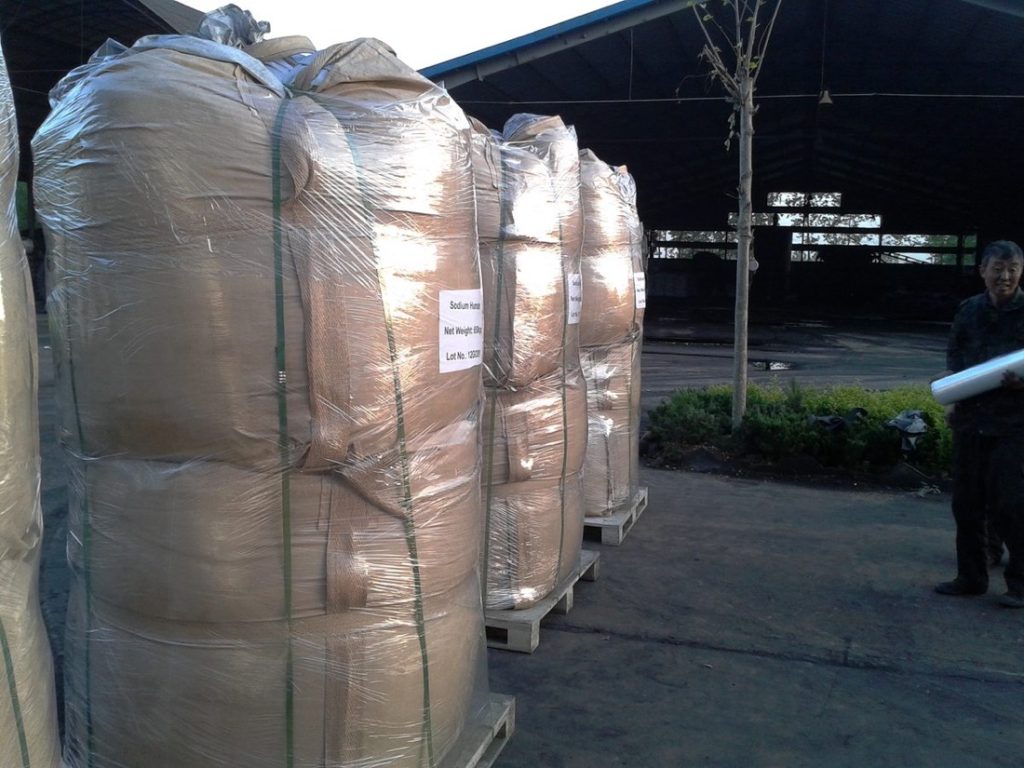
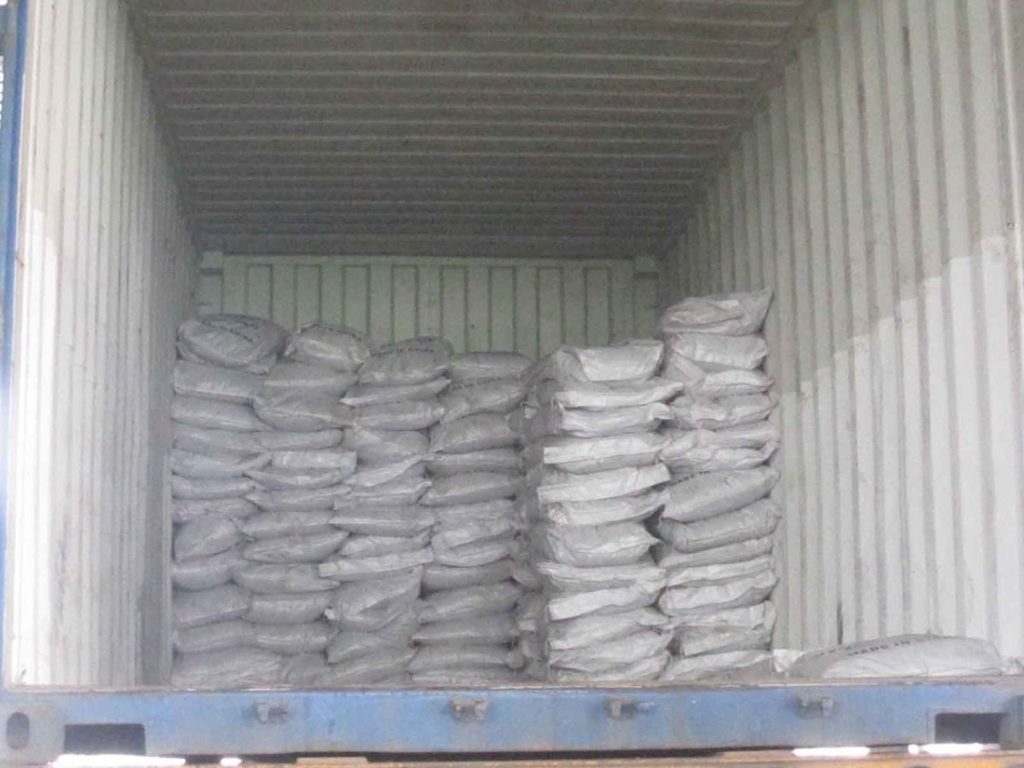
- Woven/Kraft bags with line 20kgs or 25kgs net weight
Bio Potassium Fulvate Technical Data Sheets (TDS)
Technical data sheets for SH-BKF-01P and SH-BKF-01G are sent on request.
SDS available on request: info@humicacid.org
Frequently asked questions
What is the difference between the powder and the granule?
SH-BKF-01P is a brown powder with fulvic acid ≥ 50.0% and K₂O ≥ 12.0% (dry basis), water solubility 100%, moisture ≤ 2.0% and pH 4.0–6.0. SH-BKF-01G is a brown round granule (1.5–2.5 mm) with organic matter ≥ 50.0%, K₂O ≥ 10.0% and pH 5.0–6.0; its fulvic acid and moisture values are “To be confirmed” in the TDS.
How is bio fulvic acid packed?
Woven or kraft bags with a liner, 20 kg or 25 kg net weight.
Which documents are available?
Technical data sheets for SH-BKF-01P and SH-BKF-01G are sent on request. The SDS is also sent on request.
Need a specification, TDS or quotation?
Tell our technical team your application, grade and quantity.