
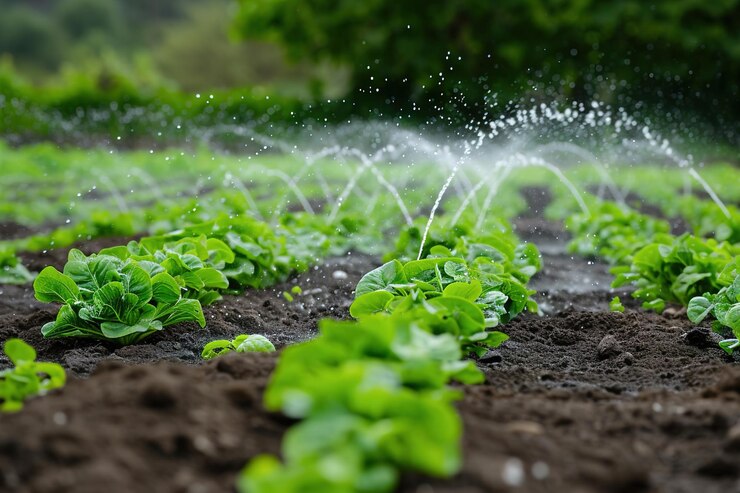
Potassium humate application
Potassium humate is a natural, organic substance derived from decomposed organic matter, such as leonardite or lignite, and is a popular tool in agriculture for improving soil health, enhancing nutrient uptake, and promoting strong plant growth. Rich in humic and fulvic acids, it acts like a natural fertilizer and soil conditioner, helping plants access nutrients more effectively, improving soil structure, and supporting sustainable farming practices.
Why Potassium Humate Matters in Agriculture
Potassium humate is valued for its ability to make farming and gardening easier and more productive. It helps plants grow stronger by:
- Keeping nutrients like nitrogen, phosphorus, and potassium in the soil so plants can use them.
- Making soil less compact and better at holding water, which helps roots grow deeper.
- Feeding beneficial soil microbes that break down nutrients for plants.
- Encouraging bigger, healthier root systems for stronger plants.
- Preventing nutrients from washing away in rain or irrigation.
- Balancing soil pH to make nutrients more available.
- Helping plants handle stresses like drought, pests, or extreme weather.
- Boosting the effectiveness of fertilizers, so you use less and save money.
Because it’s natural and eco-friendly, potassium humate is especially popular in organic farming, but it works well in all types of agriculture, from large fields to backyard gardens.
Application Methods for Potassium Humate
Potassium humate can be applied in several ways, depending on your crops, soil, and goals. The main methods are soil application, foliar spraying, seed treatment, fertigation (through irrigation systems), and mixing with fertilizers. Each method has specific steps, dosages, and timing to get the best results.
1. Soil Application
Purpose: Improves soil texture, increases nutrient and water retention, and supports root growth for healthier, more productive plants.
How to Apply:
- Spread Evenly: Sprinkle potassium humate granules or powder over the soil surface before planting or during the growing season. For large fields, use a fertilizer spreader or broadcast by hand. For small gardens, scatter by hand or with a small shovel.
- Mix into Soil: Rake, hoe, or till the humate into the top 5–15 cm of soil to ensure it reaches the root zone. This helps it blend with the soil and start working.
- Water After Application: Apply before rain or irrigation, or water the soil afterward to help the humate settle in and activate. This ensures nutrients stay in the root zone.
- Target Root Zones: For trees or shrubs, spread the humate around the drip line (the area under the outer edge of the canopy) where roots are most active.
Examples:
- A potato farmer spreads 15 kg per hectare before planting and mixes it into the soil with a tiller. After irrigation, the soil retains more water, leading to larger, healthier tubers.
- A home gardener applies 100 grams per 100 square meters to a vegetable patch and rakes it in, resulting in stronger tomato and cucumber plants.
2. Foliar Spray
Purpose: Delivers nutrients directly to plant leaves for a quick boost, stimulates growth, and helps plants recover from stress like drought, heat, or pests.
How to Apply:
- Prepare Solution: Dissolve potassium humate powder in water (1–2 grams per liter or 100–200 grams per 100 liters). For liquid formulations, use 10–20 ml per liter, following product instructions. Stir or shake well to ensure it’s fully dissolved.
- Spray Evenly: Use a handheld sprayer, backpack sprayer, or pump sprayer to apply the solution to plant leaves. Cover both the tops and undersides of leaves for maximum absorption.
- Timing: Spray early in the morning or late afternoon to avoid leaf burn from direct sunlight. Avoid spraying during windy or rainy conditions to keep the solution on the leaves.
- Clean Equipment: Rinse sprayers after use to prevent clogging from humate residues.
Examples:
- A cucumber grower sprays 1.5 grams per liter every two weeks during flowering, leading to more flowers and larger, juicier cucumbers.
- A rose gardener uses 1 teaspoon in a 5-liter sprayer every 10 days, resulting in brighter blooms and healthier plants.
3. Seed Treatment
Purpose: Improves germination rates, promotes early root growth, and gives seedlings a strong start for better growth and yields.
How to Apply:
- Prepare Solution: Mix 0.5–2 grams of potassium humate powder per liter of water (or 5–20 ml of liquid formulation per liter, per product instructions).
- Soak Seeds: Place seeds in the solution and soak for 4–12 hours, depending on seed size (4–6 hours for small seeds like lettuce; 8–12 hours for large seeds like corn). Drain seeds and plant immediately, or dry briefly for later planting.
- Seed Coating: For large-scale planting, use a seed treater or mix seeds with the solution in a container to coat them evenly, then plant as usual.
Examples:
- A bean farmer soaks seeds in a 1-gram-per-liter solution for 6 hours, leading to faster germination and stronger seedlings that produce more pods.
- A home gardener soaks carrot seeds in a 0.5-gram-per-liter solution for 4 hours, resulting in quicker sprouting and healthier plants.
4. Irrigation Systems (Fertigation)
Purpose: Delivers potassium humate directly to the root zone through irrigation, improving nutrient uptake and soil health in fields or hydroponic systems.
How to Apply:
- Dissolve in Water: Mix potassium humate into irrigation water (20–50 grams per 100 liters for drip/sprinkler systems; 0.1–0.5 grams per liter for hydroponics). Stir well to ensure it’s fully dissolved.
- Add to System: Introduce the solution into drip, sprinkler, or hydroponic irrigation systems, ensuring even distribution to the root zone.
- Use Filters: Install filters in drip systems to prevent clogging from undissolved particles or residues.
- Clean Systems: Flush irrigation lines after use to avoid buildup of humate residues.
Examples:
- A strawberry farmer uses 3 kg per hectare monthly via drip irrigation, resulting in larger, sweeter berries and healthier plants.
- A hydroponic lettuce grower adds 0.3 grams per liter to nutrient solutions weekly, leading to faster growth and crisper leaves.
5. Combination with Fertilizers
Purpose: Enhances the efficiency of chemical or organic fertilizers, reducing nutrient loss and improving plant uptake for better growth and yields.
How to Apply:
- Granular Fertilizers (e.g., NPK, urea, compost): Mix potassium humate with fertilizers before spreading. Use a mixer or blend by hand to ensure even distribution.
- Liquid Fertilizers: Add potassium humate to liquid fertilizer solutions for fertigation or foliar sprays. Stir well to combine.
- Test Compatibility: Mix small batches first to check for clumping, precipitation, or reduced efficacy before applying to large areas.
- Apply as Usual: Spread blended granular fertilizers or apply liquid mixtures as part of regular fertilization schedules.
Examples:
- A corn farmer mixes 5 kg of potassium humate per ton of NPK fertilizer and applies it at planting, improving nitrogen uptake and boosting yields by 15%.
- A vegetable gardener adds 10 ml of liquid potassium humate per liter of liquid fertilizer for a foliar spray, resulting in healthier, more productive pepper plants.
Factors to Consider for Effective Application
To get the most out of potassium humate, consider these factors when choosing an application method and dosage:
- Soil Type:
- Sandy Soils: Use soil applications with higher doses (15–25 kg per hectare) to improve nutrient and water retention, as sandy soils drain quickly.
- Clay Soils: Use moderate doses (10–15 kg per hectare) to loosen soil and make nutrients more available to plants.
- Loamy Soils: Lower doses (5–10 kg per hectare) are often sufficient, as loamy soils naturally hold nutrients well.
- Crop Type:
- High-Nutrient Crops (e.g., tomatoes, peppers, corn, melons): Benefit from higher doses and multiple applications (soil and foliar) to support vigorous growth and fruiting.
- Low-Nutrient Crops (e.g., lettuce, spinach, herbs): Need lower doses to avoid excessive leaf growth at the expense of other qualities.
- Perennials (e.g., fruit trees, vineyards): Use split applications (e.g., spring and summer) to support long-term growth and fruit production.
- Soil Fertility:
- In nutrient-poor or degraded soils (e.g., low organic matter or eroded land), use higher doses and soil applications to rebuild fertility.
- In fertile soils, lower doses and maintenance applications (e.g., once per season) are often enough.
- Product Concentration:
- Potassium humate products vary in humic and fulvic acid content (typically 50–80%). High-concentration products (70–80% humic acid) require smaller amounts, while lower-concentration products need higher doses. Always check the product label for humic acid percentage.
- Climate and Irrigation:
- In high-rainfall or heavily irrigated areas, use split applications (e.g., half at planting, half mid-season) to prevent nutrient leaching.
- In dry or arid regions, focus on soil applications to improve water retention alongside nutrient availability.
- In humid climates, foliar sprays may need to be timed carefully to avoid wash-off during rain.
- Timing:
- Apply soil treatments at planting or early growth to build a strong foundation.
- Use foliar sprays during active growth stages (e.g., flowering, fruiting) or stress periods (e.g., drought, pest damage) for quick results.
- Apply seed treatments before planting to boost germination and early vigor.
- Farm Size and Equipment:
- For large farms, use mechanized spreaders or irrigation systems for efficient application.
- For small gardens or potted plants, hand-spreading, watering cans, or small sprayers work well.
Practical Tips for Successful Application
- Start Conservatively: If new to potassium humate, begin with lower doses (e.g., 5 kg per hectare for soil, 1 gram per liter for sprays) and observe plant response. Increase gradually if plants show improved growth.
- Test Your Soil: Conduct a soil test to check pH, nutrient levels, and organic matter content. This helps tailor applications to specific needs. For example, acidic soils (pH below 6) may need higher soil doses to improve nutrient availability.
- Mix Thoroughly: For foliar sprays or fertigation, ensure potassium humate is fully dissolved to prevent clogging sprayers or irrigation systems. Stir or shake well before use.
- Time Applications Wisely: Apply soil treatments before planting or early in the season to improve soil health. Use foliar sprays during flowering or fruiting for maximum impact. Seed treatments should be done just before planting.
- Check Compatibility: When mixing with fertilizers or pesticides, test small batches to ensure no adverse reactions (e.g., clumping, precipitation, or reduced efficacy). Some high-pH fertilizers may not mix well with humate.
- Use High-Quality Products: Choose potassium humate with at least 60–70% humic acid content from reputable suppliers. Low-quality products with fillers may require higher doses and deliver less benefit.
- Store Properly: Keep it in a cool, dry place to maintain effectiveness. Store granules or powders in sealed containers to prevent moisture absorption, and keep liquid formulations tightly closed.
- Monitor Plant Response: Look for signs of success, such as greener leaves, stronger roots, larger fruits, or higher yields. If plants show stress (e.g., leaf burn, yellowing, or stunted growth), reduce the dosage and water the soil to dilute excess humate.
- Keep Records: Track application dates, methods, and dosages to identify what works best for your crops and soil over time.
- Consult Local Experts: Work with agricultural extension services, agronomists, or product suppliers to get region-specific advice tailored to your crops, soil, and climate.
Crop-Specific Application Examples
- Vegetables:
- Tomatoes: Spread 15 kg per hectare of granules into the soil at planting, followed by 1.5 grams per liter foliar sprays every 10 days during flowering and fruiting. This leads to larger, juicier tomatoes and higher yields.
- Lettuce: Apply 10 kg per hectare to soil before planting and use 0.5 grams per liter foliar sprays biweekly. This promotes crisp, green leaves and faster growth.
- Carrots: Mix 12 kg per hectare into the soil and soak seeds in a 0.5-gram-per-liter solution for 4 hours before planting, resulting in stronger roots and sweeter carrots.
- Field Crops:
- Corn: Apply 10 kg per hectare to soil at planting and soak seeds in a 1-gram-per-liter solution for 8 hours. This improves germination and boosts grain yields.
- Wheat: Spread 5–10 kg per hectare at planting and spray 1 gram per liter during tillering, enhancing grain quality and drought resistance.
- Soybeans: Use 15 kg per hectare in soil and 1 gram per liter foliar sprays during pod formation, increasing pod count and yield.
- Orchards and Vineyards:
- Citrus: Apply 50 grams per tree around the root zone in spring and summer, plus 2 grams per liter foliar sprays 2–3 times during fruit development. This results in juicier, larger fruits.
- Grapes: Spread 15 kg per hectare in soil and use 2 grams per liter foliar sprays during flowering and fruit set, improving grape size and flavor.
- Apples: Apply 75 grams per tree and 1.5 grams per liter foliar sprays during fruit growth, leading to sweeter, larger apples.
- Greenhouse and Hydroponics:
- Strawberries: Add 0.3 grams per liter to hydroponic nutrient solutions weekly and apply 10 kg per hectare in greenhouse soil, boosting berry size and sweetness.
- Lettuce: Use 0.2 grams per liter in hydroponic systems and 100 grams per 100 square meters in greenhouse soil, resulting in faster growth and crisper leaves.
- Roses: Apply 0.5 grams per liter foliar sprays every 10 days in greenhouses, enhancing bloom color and size.
- Lawns and Turf:
- Spread 100 grams per 100 square meters in soil and water in, followed by 1 gram per liter foliar sprays monthly. This creates lush, resilient grass for lawns, golf courses, or sports fields.
- Potted Plants and Home Gardens:
- Mix 5–10 grams per pot into the topsoil for houseplants or garden beds, and use 1 teaspoon per 5 liters for foliar sprays every two weeks, promoting vibrant flowers and healthy vegetables.
Real-World Success Stories
- Vegetable Farming: A tomato farmer in a sandy soil region applied 15 kg per hectare at planting, mixed into the soil, and followed with 1.5 grams per liter foliar sprays every two weeks. The result was a 20% increase in fruit size and yield, with fewer nutrient deficiencies.
- Orchards: A citrus grower spread 50 grams per tree around the root zone and used 2 grams per liter foliar sprays three times during fruit development, producing juicier oranges and healthier trees.
- Field Crops: A wheat farmer in a dry climate applied 10 kg per hectare at planting and soaked seeds in a 1-gram-per-liter solution, achieving a 15% higher grain yield due to better water and nutrient retention.
- Organic Farming: An organic lettuce grower used 12 kg per hectare in soil and 0.5 grams per liter foliar sprays biweekly, resulting in greener, crisper leaves and faster market-ready growth.
Challenges and Precautions
- Overapplication: Using too much potassium humate can lead to nutrient imbalances or leaf burn (e.g., yellowing or browning leaves). Stick to recommended doses and reduce if plants show stress. Water the soil to dilute excess humate if needed.
- Product Variability: Different brands have varying humic acid content (50–80%), affecting how much you need. Check the label and choose products with at least 60–70% humic acid for best results.
- Soil Testing: Test soil pH and nutrient levels before applying to avoid overuse in fertile soils or underuse in poor soils. Acidic soils may need higher doses, while neutral soils (pH 6–7) need less.
- Environmental Factors: In wet climates, split applications to prevent nutrient loss from leaching. In dry areas, focus on soil applications to improve water retention.
- Equipment Maintenance: Clean sprayers and irrigation systems after use to prevent clogging from humate residues.
- Cost Considerations: While cost-effective over time, the initial cost of potassium humate may be a concern for small-scale farmers. Buying in bulk or from local suppliers can reduce costs.
- Availability: High-quality potassium humate may not be available in all regions, so source from trusted suppliers to ensure effectiveness.
Additional Considerations for Effective Use
- Seasonal Adjustments:
- In spring, focus on soil applications to prepare fields or gardens for planting.
- In summer, use foliar sprays or fertigation to support active growth and fruiting.
- In fall, apply to orchards or perennials to build soil health for the next season.
- Crop Rotation: In fields with crop rotation, apply potassium humate to nutrient-demanding crops (e.g., corn, tomatoes) to maximize benefits, then use lower doses for less demanding crops (e.g., beans, peas).
- Organic Farming: Potassium humate is ideal for organic systems, as it’s natural and supports soil fertility without synthetic chemicals. Check certification requirements if using for certified organic crops.
- Storage: Store it in a cool, dry place to prevent clumping or degradation. Seal granules, powders, or liquids tightly to maintain potency.
- Trial and Error: If new to potassium humate, test on a small area or a few plants to find the best method and dosage for your conditions before scaling up.
- Record Keeping: Keep a log of application dates, methods, dosages, and plant responses to refine your approach over time.
Conclusion
Potassium humate is a powerful, natural tool for improving soil health, nutrient uptake, and crop productivity in agriculture. By applying it through soil treatments, foliar sprays, seed soaks, fertigation, or fertilizer combinations, farmers and gardeners can achieve healthier plants, higher yields, and more sustainable practices. The key is to choose the right method and dosage for your crops, soil, and climate, starting with conservative amounts and adjusting based on results. Use high-quality products, test soil conditions, and consult local agricultural experts or product labels for tailored guidance. With careful application, potassium humate can transform your farming or gardening efforts, leading to stronger plants, better harvests, and healthier soils. For region-specific advice, contact agricultural extension services, agronomists, or trusted suppliers to ensure the best outcomes for your crops.
