Application 2 / 5
Feed and Aquaculture
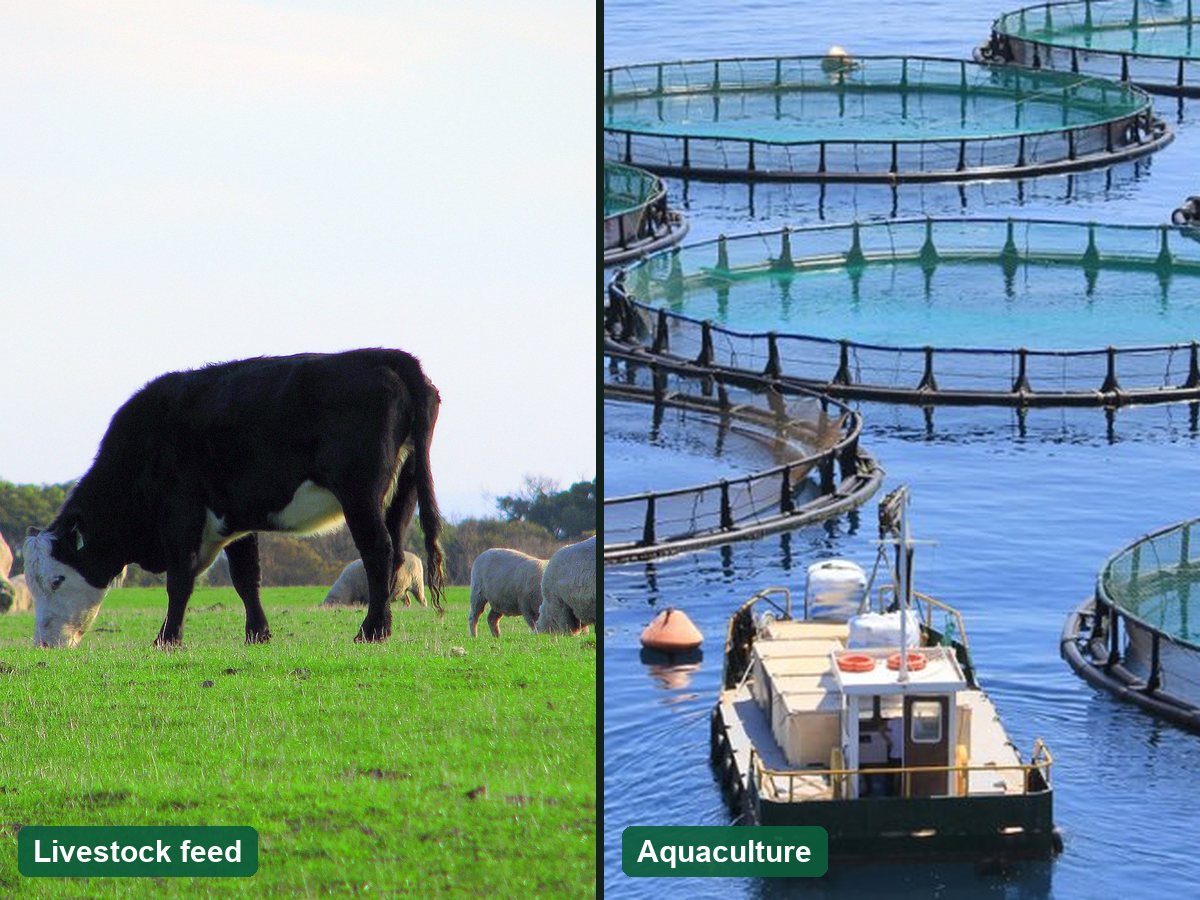
Sodium humate and humic acid are used in some markets as feed ingredients and in aquaculture pond water. Feed use is regulated differently in each country, so buyers should confirm the product and its authorization in the destination market. The pages below cover grades and how these materials are used.
Four topics
How humates are used in feed and aquaculture
Feed ingredient
Feed-grade sodium humate is supplied as a raw material for feed formulations. Where its use is authorized, the feed manufacturer adds it to premixes or compound feed. Effects are not claimed and must be confirmed by species-specific trial; the inclusion level is set by the responsible feed professional under local rules.
What to check
- Authorization status in the destination market
- Heavy metal and contaminant limits
- Particle size and flowability in the premix
Drinking water use
Soluble feed-grade sodium humate can be dissolved and given through drinking water where this route is permitted. The solution has to stay free of sediment so that it does not block nipples, dosing pumps or pipes.
What to check
- Water solubility and insoluble residue
- Stability of the solution over the dosing period
- Local rules for water-administered feed materials
Aquaculture pond water
In some aquaculture practices, sodium humate is applied to pond water as part of water management. Humic substances colour the water and interact with metal ions and organic compounds. How it is used, and any claims made for it, are regulated as aquaculture inputs in many countries and have to be assessed for each farm.
What to check
- Registration of aquaculture inputs in the destination market
- Water solubility and dissolution rate
- Effect on water colour and transparency
High-purity grades
Where a buyer’s specification sets tighter limits, high-purity sodium humate grades with lower ash and controlled heavy metals are offered. The specification is agreed against the buyer’s requirements and confirmed on the certificate of analysis for each batch.
What to check
- Ash and humic acid content
- Lead, arsenic, cadmium and mercury
- Batch certificate of analysis (COA)
What to check
- Authorization of the material for the intended species and route
- Contaminant limits (heavy metals) required in the destination market
- Water solubility and moisture of the grade
- Documents: TDS, SDS and batch COA
Guides
Need a feed-grade specification?
Send your application and requirements; our technical team replies by email.