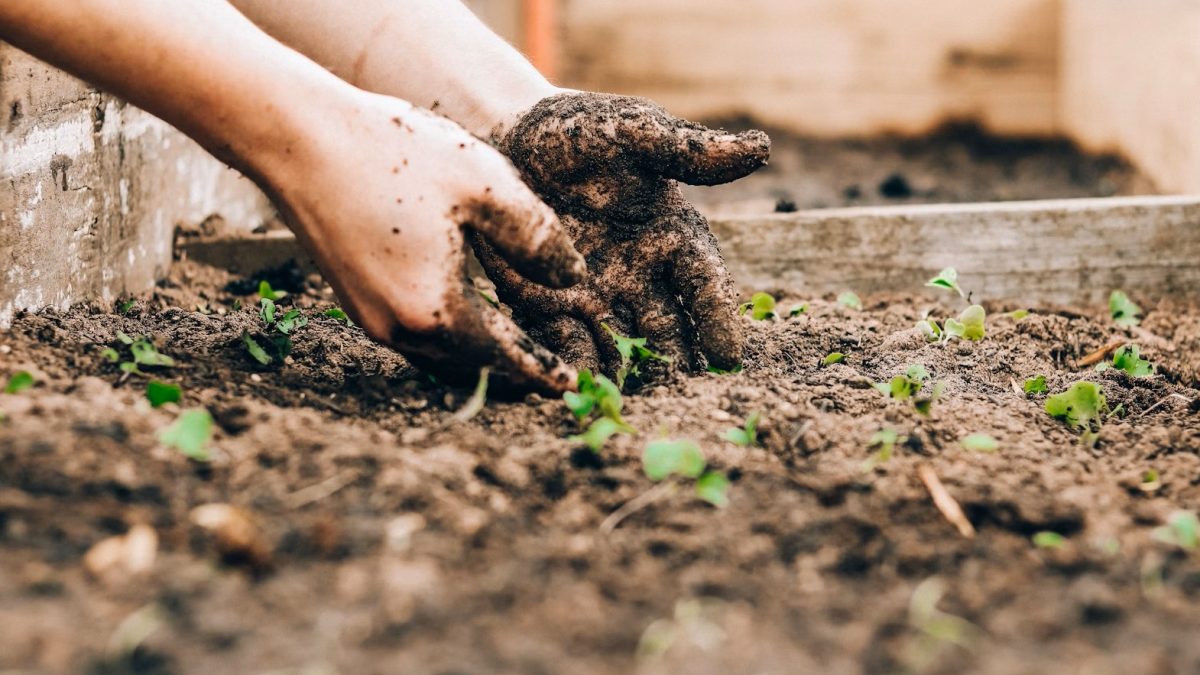
Fulvic acid is used in soil
What is Fulvic Acid and Why is it Used in Soil?
Fulvic acid is a natural substance found in healthy soils, formed when plants, leaves, and other organic matter break down over time. It’s part of a group of compounds called humic substances, which also includes humic acid and humin. What makes fulvic acid special is its small size and ability to dissolve easily in water, allowing it to move freely through soil and into plants. Farmers, gardeners, and land managers use fulvic acid to improve soil quality, help plants grow stronger, and make farming or gardening more productive. Think of it as a natural booster that helps soil and plants work better together.
In agriculture and gardening, fulvic acid is applied to solve common problems like poor soil fertility, nutrient deficiencies, or stressed plants. It’s especially popular in organic farming, where synthetic chemicals are avoided, but it’s also used in conventional farming to make fertilizers work better and reduce waste.
How Fulvic Acid Benefits Soil and Plants
Fulvic acid has a wide range of benefits that make it a valuable tool for anyone working with soil:
- Helping Plants Get More Nutrients One of the biggest challenges in growing plants is making sure they get enough nutrients, like nitrogen, phosphorus, potassium, or trace elements like iron and zinc. Sometimes, these nutrients are present in the soil but “locked up” in forms plants can’t use. Fulvic acid acts like a key, unlocking these nutrients by binding to them and making them easier for plants to absorb.
- For example, in clay or alkaline soils, nutrients like iron can get stuck and become unavailable. Fulvic acid grabs onto these nutrients, dissolves them, and carries them to plant roots.
- Because fulvic acid molecules are so small, they can even enter plant cells, delivering nutrients directly to where they’re needed, like inside roots or leaves. This leads to healthier plants with better growth, stronger stems, and more vibrant flowers or fruits.
- This is especially helpful for crops like tomatoes, corn, or strawberries, where high nutrient demands can limit yields if the soil isn’t performing well.
- Making Soil Healthier and Easier to Work With Good soil isn’t just dirt—it’s a living system full of microbes, air, water, and organic matter. Fulvic acid improves soil in several ways:
- Better Soil Texture: It helps soil particles stick together in small clumps, creating a loose, crumbly structure. This makes it easier for roots to grow, water to soak in, and air to reach the roots. For sandy soils, it helps hold water longer; for clay soils, it prevents them from becoming too compact or waterlogged.
- More Microbial Activity: Fulvic acid is like food for the tiny organisms in soil, like bacteria and fungi. These microbes break down dead plant material, releasing nutrients that plants can use. A soil with active microbes is healthier and supports stronger plants.
- Improved Water Management: By improving soil structure, fulvic acid helps soil hold onto water without becoming soggy, which is great for areas with irregular rainfall or drought-prone regions.
- Balancing Soil Acidity (pH) The acidity or alkalinity of soil, measured as pH, affects how well plants can access nutrients. If the soil is too acidic (low pH) or too alkaline (high pH), certain nutrients become unavailable, even if they’re present in the soil. Fulvic acid acts like a natural stabilizer, helping to keep soil pH in a range that’s ideal for most plants (around 6.0 to 7.0).
- In acidic soils, it reduces the harmful effects of excess acidity, making the soil more plant-friendly.
- In alkaline soils, it helps free up nutrients that are otherwise trapped. This means farmers and gardeners don’t have to rely as much on chemical pH adjusters, saving time and money while keeping the soil more natural.
- Cleaning Up Toxins in Soil Soil can sometimes contain harmful substances, like heavy metals (e.g., lead or cadmium) from pollution or leftover pesticides. These toxins can hurt plants, reduce crop quality, or even make food unsafe to eat. Fulvic acid binds to these harmful substances, locking them away so plants can’t absorb them. This creates a safer environment for plants and helps protect the food chain.
- For example, in areas near industrial sites or old farmland with chemical residues, fulvic acid can reduce the risk of plants taking up toxins, leading to healthier crops.
- It also helps plants cope with stresses like salty soils, drought, or extreme heat by strengthening their natural defenses, such as thicker cell walls or better water use.
- Boosting Plant Growth and Strength Fulvic acid doesn’t just help the soil—it directly supports plants by making them grow faster and stronger. Here’s how:
- Faster Seed Sprouting: Seeds treated with fulvic acid often germinate quicker and produce healthier seedlings, giving plants a head start.
- Stronger Roots: It encourages roots to grow deeper and wider, which helps plants take in more water and nutrients. This is especially important in poor soils or during dry spells.
- Better Overall Growth: Fulvic acid boosts processes like photosynthesis (how plants make energy from sunlight) and enzyme activity (which helps plants grow and fight stress). This leads to lusher plants, bigger fruits, and higher yields.
- It’s particularly useful for crops under stress, like wheat in dry climates or vegetables in salty coastal soils, as it helps them stay resilient.
How to Use Fulvic Acid in Soil
Fulvic acid is versatile and can be applied in several ways, depending on what you’re growing and the condition of your soil. Here are the most common methods, explained simply:
- Pouring It into the Soil (Soil Drench) One of the easiest ways to use fulvic acid is to mix it with water and pour it onto the soil around plants. This lets it soak into the root zone, where it can start working right away to improve nutrient uptake and soil health.
- This method is popular for crops like potatoes, carrots, or orchard trees, where strong root systems are key.
- You might use a watering can for a small garden or a sprayer system for larger fields.
- Spraying It on Leaves (Foliar Spray) Fulvic acid can also be sprayed directly onto plant leaves, where it’s absorbed quickly. This is like giving plants a fast nutrient boost, especially during growth stages like flowering or fruiting when they need extra support.
- For example, spraying fulvic acid on lettuce or spinach can improve leaf size and color.
- It’s often combined with soil applications for the best results, as the two methods work together to feed plants from both roots and leaves.
- Mixing with Fertilizers It is often added to fertilizers to make them more effective. It helps fertilizers stick around in the soil longer, so nutrients don’t wash away during rain or irrigation. This saves money and reduces environmental pollution.
- For instance, a farmer might mix fulvic acid with a nitrogen fertilizer to ensure more of the nitrogen reaches the plants instead of leaching into groundwater.
- This is especially useful in sandy soils or areas with heavy rainfall.
- Adding to Compost or Organic Matter If you make your own compost or use organic mulches, fulvic acid is already present in small amounts from decomposed plant material. Adding extra fulvic acid to compost piles or organic amendments can make them even richer, boosting their ability to improve soil.
- Gardeners might mix fulvic acid into compost to create a nutrient-packed soil additive for flower beds or vegetable patches.
- This method is popular in organic gardening, where natural inputs are preferred.
- Using in Hydroponics or Soilless Systems For growers using hydroponics (growing plants in water instead of soil) or other soilless systems, fulvic acid can be added to the nutrient solution. It mimics the natural benefits of soil, helping plants absorb nutrients more efficiently.
- This is common in greenhouse setups for crops like cucumbers or herbs, where precise nutrient delivery is critical.
Things to Keep in Mind When Using Fulvic Acid
While fulvic acid is a powerful tool, using it effectively requires some planning. Here are key considerations to ensure you get the best results:
- Choosing a Good Product Fulvic acid comes from natural sources like leonardite (a soft, coal-like material), peat, or composted organic matter. Not all products are the same—some are more concentrated or purer than others.
- Look for fulvic acid from trusted suppliers, ideally with labels showing the percentage of active fulvic acid.
- Avoid low-quality products with fillers or impurities, as they may not work as well or could harm your soil.
- Using the Right Amount Applying too much fulvic acid can throw off soil nutrient balances or make the soil too acidic. Using too little might not give you the benefits you’re looking for. The right amount depends on your soil type, the plants you’re growing, and the product you’re using.
- For example, a typical soil application might use 1–5 liters of fulvic acid solution per acre, diluted in water. Foliar sprays might use a weaker solution, around 0.5–2% fulvic acid. Always follow the product instructions.
- Testing your soil (with a simple kit or lab analysis) can help you figure out how much to use and when to apply it, such as during planting or before a growth spurt.
- Mixing with Other Products Fulvic acid works well with most fertilizers, compost, or other soil additives, but it’s not compatible with everything.
- Always check the product label for mixing instructions, and do a small test if you’re combining fulvic acid with something new.
- It’s safe to use with most organic and synthetic fertilizers, but avoid applying it at the same time as strong chemical treatments unless the label says it’s okay.
- Sustainability and Environmental Impact Fulvic acid is a natural product, so it’s generally safe for the environment when used correctly. However, some sources, like leonardite, are mined, which can raise concerns about sustainability.
- Look for products from companies that use environmentally responsible sourcing or consider alternatives like compost-derived fulvic acid.
- Using it can actually reduce environmental harm by cutting down on fertilizer runoff, which pollutes rivers and lakes.
- Cost and Practicality Fulvic acid can be a bit expensive, especially for large farms, but it often saves money in the long run by making fertilizers more efficient and improving crop yields. For small gardens or container plants, the cost is usually manageable.
- For example, a small bottle of fulvic acid might cost $10–$20 and last a home gardener for a season, while a farmer might invest in bulk quantities for larger fields.
- Weigh the cost against the benefits, like bigger harvests or healthier plants, to decide if it’s worth it for your needs.
- Timing Applications for Best Results When you apply fulvic acid matters. It’s most effective during key growth stages, like when seeds are sprouting, plants are developing roots, or crops are starting to flower or fruit.
- For example, applying it to young seedlings can help them establish faster, while applying it during fruiting can improve the size and quality of apples or tomatoes.
- Regular, small applications (e.g., every few weeks) are often better than one big dose, as they provide consistent benefits without overwhelming the soil.
Real-World Examples of Fulvic Acid in Action
To give you a sense of how fulvic acid is used, here are some practical examples:
- Vegetable Gardens: A home gardener in a region with sandy soil might use fulvic acid to help their zucchini and pepper plants hold onto water and nutrients. By adding a fulvic acid solution to the soil every two weeks, they could see bigger, tastier vegetables.
- Organic Farms: An organic apple orchard might use fulvic acid to boost soil health without synthetic fertilizers. Spraying it on leaves during the flowering stage could lead to juicier apples and fewer nutrient deficiencies.
- Large-Scale Farming: A wheat farmer in a dry climate might mix fulvic acid with fertilizer to improve nutrient uptake and help crops survive drought stress, leading to higher yields.
Conclusion
Fulvic acid is a natural, powerful substance that improves soil and helps plants thrive. By making nutrients more available, improving soil texture, balancing pH, cleaning up toxins, and boosting plant growth, it addresses many common challenges in gardening and farming. Whether you’re a home gardener tending a few flower beds, a farmer managing hundreds of acres, or someone restoring damaged land, fulvic acid offers practical benefits. It can be applied through soil drenches, leaf sprays, fertilizer mixes, or compost enrichment, with options for traditional soil-based systems or modern hydroponics.
