
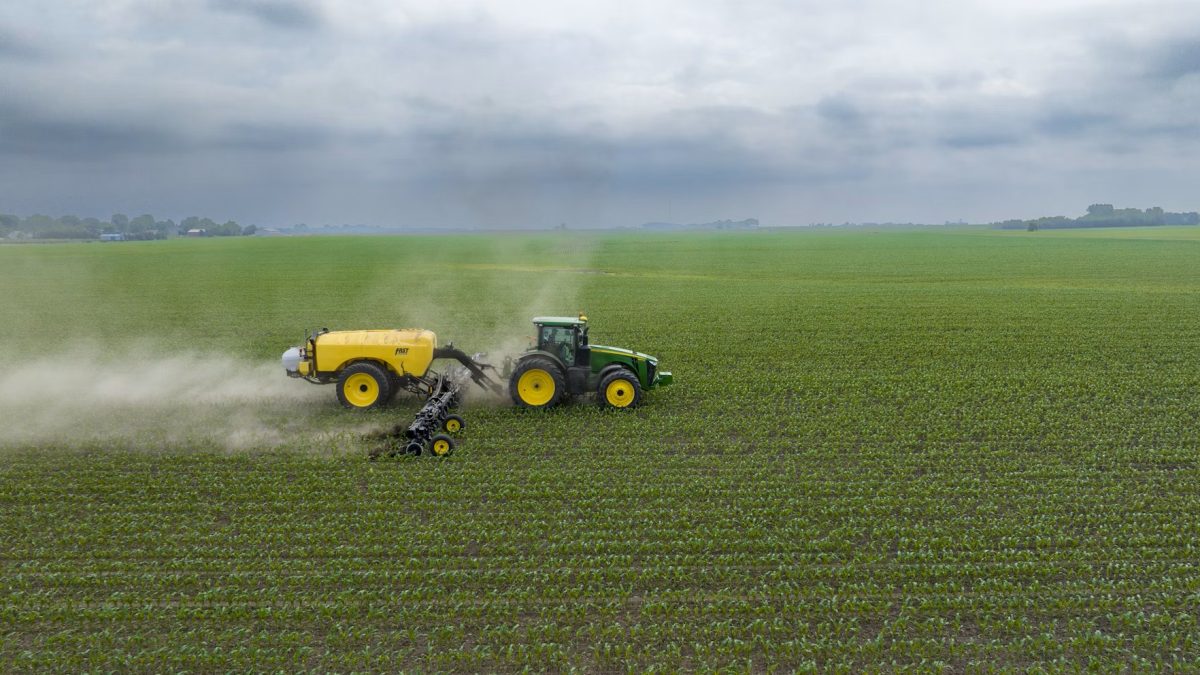
Potassium humate granules
Potassium humate granules are a granular form of potassium humate, an organic compound derived from humic substances, used primarily in agriculture to improve soil health, enhance nutrient availability, and promote plant growth. Unlike the powder or liquid forms, granules are designed for ease of handling, storage, and application, particularly for soil-based uses in large-scale farming.
What is Potassium Humate Granules?
Potassium humate granules are a solid, granular formulation of the potassium salt of humic acid, produced from humic substances extracted from natural sources such as leonardite or lignite. These sources are rich in organic matter formed from the decomposition of ancient plant and animal residues over millions of years. The extraction process involves treating leonardite or lignite with potassium hydroxide (KOH) to create a soluble humate, which is then processed into granules for convenient application. The granules are typically dark brown to black, ranging in size from 1–5 mm, and are designed to release humic substances and potassium gradually into the soil.
The granules contain humic and fulvic acids, which are key to improving soil structure and nutrient retention, along with potassium, which supports plant growth. Their granular form makes them ideal for blending with other fertilizers, broadcasting over fields, or incorporating into soil during land preparation. Potassium humate granules are widely used in both conventional and organic farming to enhance soil fertility, increase crop yields, and promote sustainable agricultural practices.
Composition and Characteristics
Potassium humate granules share the same core components as powder and liquid forms but are formulated for slow-release and ease of application. Key characteristics include:
- Humic Acid Content: Typically 50–80%, depending on the quality and source material. Humic acid improves soil structure and holds nutrients in the soil for plant uptake.
- Fulvic Acid Content: Usually 5–10%, aiding in nutrient absorption due to its smaller molecular size.
- Potassium Content: Contains 8–12% soluble potash (K₂O), providing an organic source of potassium for plant processes like water regulation, enzyme activation, and fruit development.
- Appearance and Form: Dark brown to black granules, typically 1–5 mm in diameter, designed for uniform spreading and gradual dissolution in soil.
- Solubility: Partially soluble in water, releasing humic substances and nutrients over time when exposed to soil moisture. Some granules are coated for controlled release.
- pH Level: Slightly alkaline, with a pH of 8.5–9.0, though some formulations are adjusted for broader soil compatibility.
- Source Material: High-quality granules are derived from leonardite, which has a higher humic content than lignite or peat. Lower-quality sources may include more impurities, reducing effectiveness.
The granular form is less dusty than powder and easier to store and transport than liquid, making it a practical choice for large-scale agricultural operations.
Benefits of Potassium Humate Granules
Potassium humate granules offer numerous benefits for soil health, plant growth, and sustainable farming. Their slow-release nature ensures long-lasting effects, particularly for soil applications. Below are the key advantages:
- Improved Nutrient Retention and Availability:
- Humic and fulvic acids in the granules act as natural chelators, binding nutrients like nitrogen, phosphorus, potassium, and micronutrients (e.g., iron, zinc, manganese) in forms that plants can absorb.
- This reduces nutrient leaching, especially in sandy or heavily irrigated soils. For example, a farmer growing maize in sandy soil can use granules to retain nutrients near the root zone, ensuring consistent nutrient supply throughout the growing season.
- Enhanced Soil Structure:
- The granules promote soil aggregation, creating a crumbly, well-aerated structure that improves root penetration, water retention, and aeration.
- In clay soils, they reduce compaction and stickiness, making the soil easier to work with. In sandy soils, they increase water-holding capacity, reducing irrigation needs.
- Stimulated Plant Growth:
- Humic and fulvic acids enhance root development, leading to stronger, more extensive root systems that improve water and nutrient uptake.
- They also support seed germination and early seedling growth. For instance, farmers planting soybeans or wheat may use granules during land preparation to achieve faster, more uniform sprouting.
- Plants treated with potassium humate granules are more resilient to environmental stresses like drought, salinity, or temperature extremes, which is vital in regions with challenging climates.
- Increased Fertilizer Efficiency:
- By reducing nutrient loss through leaching or volatilization, granules allow farmers to use less fertilizer while maintaining or improving yields. This lowers input costs and reduces environmental impacts like nutrient runoff into waterways.
- Support for Soil Microorganisms:
- The organic carbon in potassium humate granules feeds beneficial soil microbes, such as nitrogen-fixing bacteria and mycorrhizal fungi, which enhance nutrient cycling and improve long-term soil fertility.
- This is especially valuable in organic farming, where synthetic inputs are limited, and soil health relies on microbial activity.
- Environmental Sustainability:
- By minimizing nutrient runoff, potassium humate granules help prevent water pollution, such as algal blooms in rivers or lakes. Their organic nature aligns with sustainable farming practices and is approved for use in certified organic systems by organizations like the USDA or EU organic regulators.
- Ease of Application and Handling:
- The granular form is easy to handle, store, and apply using standard farm equipment like spreaders or broadcasters. It produces less dust than powder and is less bulky than liquid, making it ideal for large fields.
Applications in Agriculture
Potassium humate granules are primarily used for soil applications but can also be dissolved for liquid use in some cases.
- Soil Application (Broadcasting or Banding):
- Purpose: To improve soil health, nutrient retention, and long-term fertility.
- Method: Apply 2–10 kg per hectare by broadcasting granules over the soil surface or banding them near the root zone during land preparation or planting. Incorporate into the top 10–15 cm of soil for best results.
- Blending with Fertilizers:
- Purpose: To enhance the efficiency of granular fertilizers like urea, NPK, or compost.
- Method: Mix granules at a rate of 5–10% with other fertilizers before application. For example, 5 kg of potassium humate granules can be blended with 50 kg of NPK fertilizer per hectare.
- Seed Bed Preparation:
- Purpose: To create a nutrient-rich, well-structured seed bed for improved germination.
- Method: Apply 2–5 kg per hectare during seed bed preparation and incorporate into the soil.
- Top-Dressing:
- Purpose: To provide a mid-season boost to soil fertility and plant growth.
- Method: Apply 1–5 kg per hectare as a top-dressing during the vegetative or early reproductive stages, followed by light irrigation to aid dissolution.
- Dissolved for Liquid Use (Optional):
- Purpose: To create a liquid solution for fertigation or foliar sprays, though this is less common than direct soil application.
- Method: Dissolve granules in water (e.g., 1–2 kg per 100 liters) with agitation for 15–30 minutes to create a 1–2% solution. Apply through drip irrigation or sprayers.
- Other Uses:
- In landscaping, granules are applied to turf or ornamental beds to improve soil quality and plant vigor.
- In reclamation projects, they are used to restore degraded soils, such as those affected by mining or erosion.
Application Guidelines and Best Practices
To maximize the benefits of potassium humate granules, follow these practical guidelines:
- Dosage: Adjust rates based on soil type, crop needs, and application method:
- Broadcasting: 2–10 kg per hectare.
- Fertilizer blending: 5–10% of the total fertilizer mix.
- Top-dressing: 1–5 kg per hectare.
- Liquid use: 1–2 kg per 100 liters of water.
- Timing: Apply at key growth stages for optimal results:
- Pre-planting: During land or seed bed preparation to build soil fertility.
- Post-seedling stage: When plants cover about 25% of the ground, to support early growth.
- Pre-flowering or early fruit/grain sizing: To enhance quality and yield.
- Application Equipment: Use standard fertilizer spreaders or broadcasters for uniform application. For banding, place granules 5–10 cm from the plant base to target the root zone.
- Soil Moisture: Apply granules to moist soil or follow with light irrigation to aid dissolution and nutrient release. Avoid application before heavy rain to prevent runoff.
- Mixing: When blending with fertilizers, ensure even mixing to avoid clumping. Test compatibility with other inputs, as granules may not mix well with highly acidic fertilizers (pH below 5.5).
- Soil Testing: Conduct soil tests for pH, nutrient levels, and organic matter content before application. Potassium humate granules are most effective in slightly acidic to neutral soils (pH 5.5–7.5) but can be used in alkaline soils with adjustments.
- Storage: Store in a cool, dry place to prevent moisture absorption and clumping. Use airtight containers or bags to maintain product quality.
- Safety: Potassium humate granules are non-toxic and environmentally safe, but handle with care to avoid dust inhalation. Wear gloves and a mask during application, and clean up spills promptly to avoid waste.
Practical Considerations and Tips
- Crop-Specific Applications:
- For field crops like corn, wheat, or rice, use granules during soil preparation or as a top-dressing to improve nutrient efficiency and drought tolerance.
- For high-value crops like fruits (e.g., apples, citrus) or vegetables (e.g., potatoes, carrots), combine granules with basal fertilizers to enhance soil fertility and crop quality.
- Regional Considerations:
- In arid regions with sandy soils, granules can significantly reduce irrigation needs by improving water retention.
- In high-rainfall areas, granules help prevent nutrient leaching, ensuring crops like sugarcane or rice have consistent nutrient access.
- Cost-Effectiveness:
- While granules may have an upfront cost, their ability to reduce fertilizer use and increase yields can lead to significant savings. For instance, a farmer using 20% less nitrogen fertilizer due to improved efficiency could save substantially over a season.
- Organic Farming:
- Potassium humate granules are approved for organic farming by most certification bodies. Check with your local organic certifier (e.g., USDA, EU) to confirm compliance.
- Long-Term Soil Health:
- Regular use of granules builds soil organic matter over time, reducing the need for frequent applications.
- Comparison with Powder and Liquid Forms:
- Vs. Powder: Granules are less dusty and easier to apply with standard equipment, making them ideal for large fields. However, they are less versatile for liquid applications like foliar sprays.
- Vs. Liquid: Granules are more cost-effective for soil applications and easier to store, but liquids are better for rapid, precise applications like fertigation or hydroponics.
Environmental and Economic Impact
Potassium humate granules support sustainable agriculture by reducing nutrient runoff, which helps prevent environmental issues like eutrophication in water bodies. Their organic composition aligns with consumer demand for eco-friendly food production, making them a valuable tool for farmers targeting organic or premium markets. Economically, granules can lower input costs by improving fertilizer efficiency and increasing crop yields, particularly in challenging soils or climates.
Conclusion
Potassium humate granules are a practical, effective solution for improving soil fertility, enhancing nutrient efficiency, and promoting robust plant growth. Their granular form makes them easy to handle and apply, particularly for soil-based applications in large-scale farming. By supporting sustainable agriculture and reducing environmental impact, they are suitable for both conventional and organic systems. Proper application, tailored to crop and soil needs, ensures maximum benefits, such as higher yields, better crop quality, and improved soil health.
